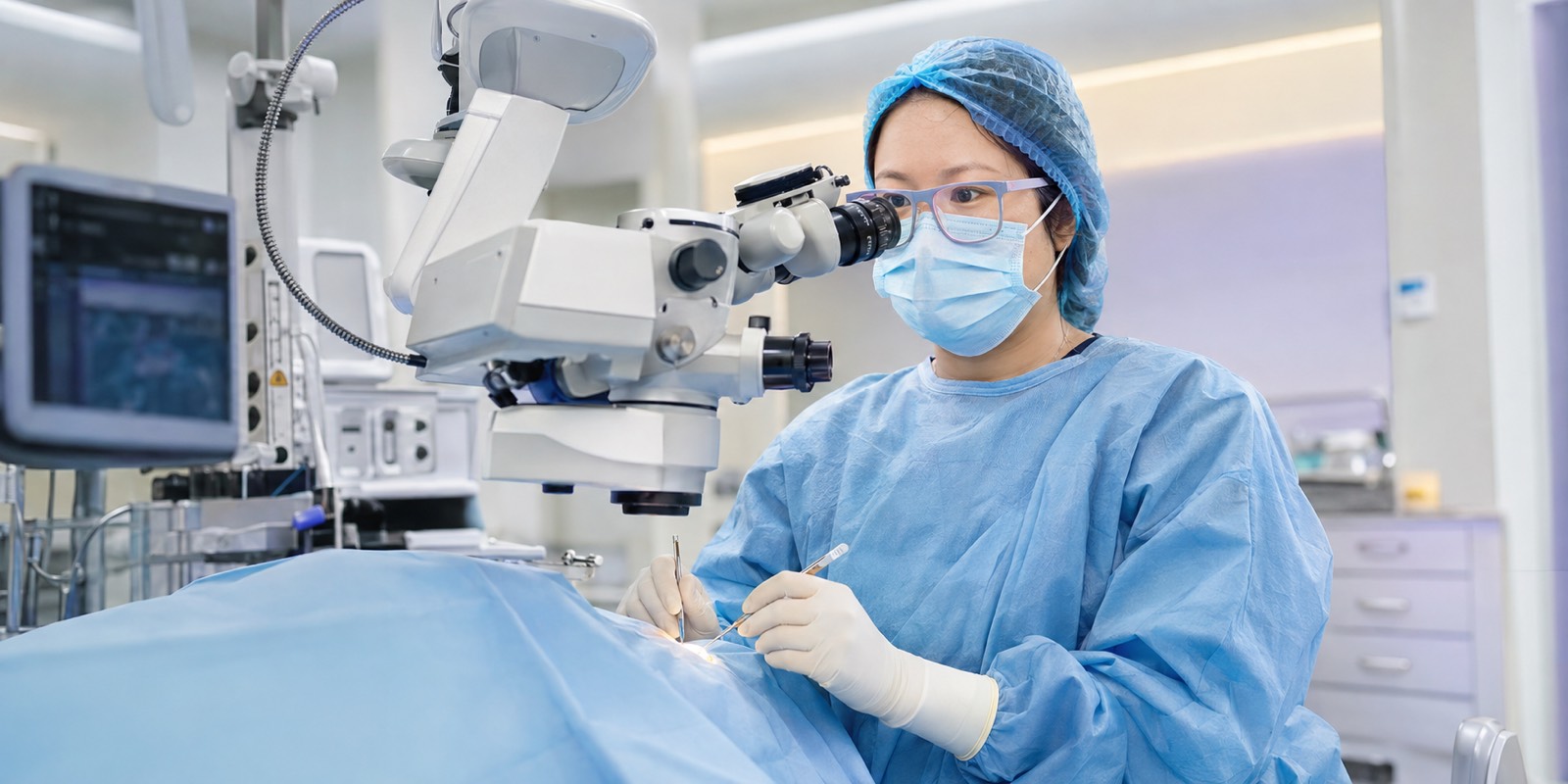
For patients in Aizawl and across Mizoram, cataracts are one of the most common causes of gradually blurred vision, especially as people grow older. They can make reading difficult, reduce confidence while walking, create glare around headlights, and change the way colours appear. Because cataracts usually develop slowly and without pain, many people adapt to poorer vision without realising how much clarity they have lost. A timely eye examination can identify a cataract, rule out other causes of visual change, and help you understand when treatment may be appropriate.
This locally focused patient guide explains cataract symptoms, diagnosis and cataract surgery in Aizawl, including what treatment involves and how patients from across Mizoram can prepare for recovery. It is written for general education and cannot replace a personal consultation. Your eyes, medical history, visual needs, and treatment choices are individual, so decisions should always be made with a qualified eye-care professional.
People searching for cataract treatment in Aizawl often want to know when surgery is necessary, how long recovery takes, and whether follow-up visits can be planned close to home. Dr. Lynapawngia Solo and the team at Dr. Nunu Eye Hospital & Research Centre provide assessment and personalised guidance for patients in Aizawl and throughout Mizoram.
What is a cataract?
A cataract is clouding of the eye’s natural lens. The lens sits behind the coloured iris and helps focus light onto the retina at the back of the eye. A healthy lens is normally clear, allowing light to pass through and form a sharp image. When the lens becomes cloudy, light is scattered instead of focused cleanly. Vision may then seem hazy, dim, blurred, or washed out.
Most cataracts are associated with ageing. The proteins and fibres within the lens change over time, and the lens gradually becomes less transparent. Cataracts can affect one eye or both eyes, although they may progress at different rates. A cataract does not spread from one eye to the other, and it is not an infection.
Common cataract symptoms in Mizoram
Early cataracts may cause no noticeable symptoms. As the clouding increases, people often report one or more of the following changes:
- Cloudy, blurry, misty, or dim vision
- Increased glare from sunlight, lamps, or vehicle headlights
- Halos around lights, particularly at night
- Difficulty driving or walking in low light
- Colours appearing faded, yellowed, or less vivid
- Needing brighter light for reading or detailed work
- Frequent changes in spectacle prescription
- Double vision in one eye
- Reduced contrast, making steps, faces, or objects harder to distinguish
These symptoms are not unique to cataracts. Glaucoma, retinal disease, dry eye, uncorrected refractive error, corneal problems, and other conditions can also affect vision. An examination is therefore important rather than assuming that age or cataract is the cause.
When should you seek urgent eye care?
A typical age-related cataract develops slowly and does not usually cause redness, severe pain, or sudden loss of sight. Seek urgent medical attention if vision changes suddenly, if you develop severe eye pain, if the eye is injured, or if you notice new flashes, a shower of floaters, or a dark curtain or shadow. These symptoms can signal a different problem that may require prompt treatment.
Who is at greater risk of developing cataracts?
Age is the strongest risk factor, but it is not the only one. Cataracts may appear earlier or progress faster in people with diabetes, a history of eye injury or inflammation, previous eye surgery, prolonged exposure to sunlight, or a family history of cataract. Smoking and excessive alcohol use are also associated with greater risk. Long-term use of corticosteroid medicines can contribute in some patients, although prescribed medicines should never be stopped without advice from the clinician who manages them.
Some babies are born with cataracts, and children can develop them. Childhood cataract requires specialist assessment because clear vision is important for visual development. A white pupil, an unusual eye reflex in photographs, poor visual attention, or an eye that turns inward or outward should be checked promptly.
Can cataracts be prevented?
No method can guarantee that an age-related cataract will never form. However, sensible health measures may reduce avoidable risks and support overall eye health. Wear good-quality sunglasses that block ultraviolet radiation and use a broad-brimmed hat in strong sunlight. Use protective eyewear during work, sports, or activities that could injure the eyes. Avoid smoking, keep alcohol within recommended limits, and work with your doctor to manage diabetes and other health conditions.
A balanced diet containing vegetables, fruit, whole grains, pulses, nuts, and appropriate sources of protein supports general health. Supplements or eye drops marketed as a cure for cataract should be treated cautiously. At present, established cataract is removed surgically; unproven remedies should not delay an examination or appropriate treatment.
How cataracts are diagnosed in Aizawl
An ophthalmologist begins by asking about your symptoms, general health, medicines, previous eye problems, and the activities affected by your vision. A cataract assessment commonly includes measuring visual acuity, checking spectacle power, examining the front of the eye with a slit lamp, measuring eye pressure, and examining the retina and optic nerve. Dilating drops may be used to widen the pupil so the lens and back of the eye can be assessed more completely.
The examination also looks for conditions that may influence treatment or the expected visual result, including corneal disease, glaucoma, diabetic retinopathy, macular degeneration, inflammation, or weakness of the structures supporting the lens. If cataract blocks the view of the retina, additional imaging may sometimes be required.
Do all cataracts need surgery immediately?
No. A cataract does not have to be removed simply because it is present. In its early stages, clearer spectacles, better lighting, magnification, and reducing glare may make daily tasks easier. Regular reviews allow the eye-care team to monitor change.
Surgery is generally considered when cataract-related vision interferes with activities that matter to you, such as reading, working, cooking, recognising faces, driving, using a phone, or moving safely. Surgery may also be recommended when the cataract prevents examination or treatment of another eye condition. The decision is based on functional difficulty and eye health, not only on a number on the vision chart.
What happens during cataract surgery in Aizawl?
Cataract surgery removes the cloudy natural lens and replaces it with a clear artificial intraocular lens, often called an IOL. Before surgery, measurements are taken to estimate the lens power suited to the eye. Your surgeon will discuss available lens choices, the likely need for spectacles afterward, and which option is realistic for your eye and lifestyle.
Most modern cataract operations are performed through a small incision. The cloudy lens is broken into tiny pieces and removed, commonly using ultrasound, while the capsule that supported the natural lens is retained. The folded artificial lens is then placed inside this capsule. The incision is often self-sealing, although a stitch may occasionally be needed. Anaesthetic eye drops or local anaesthesia are commonly used, and many patients go home the same day.
Cataract surgery is widely performed and usually improves vision, but no operation is entirely risk-free. Possible complications include infection, inflammation, bleeding, swelling of the cornea or retina, pressure changes, retinal detachment, lens-position problems, or loss of vision. Some risks are uncommon but serious. Your surgeon should explain the benefits, alternatives, and risks relevant to your particular eye before consent.
Choosing an intraocular lens
An intraocular lens remains inside the eye after surgery. A monofocal lens is designed primarily for one focusing distance, often distance vision, and reading glasses are usually still needed. Toric lenses may help correct suitable corneal astigmatism. Other lens designs aim to provide a broader range of focus, but they may not suit every eye and can involve trade-offs such as glare, halos, reduced contrast, or continued need for spectacles.
The best lens is not automatically the most expensive or technologically complex option. The decision should account for retinal and optic-nerve health, corneal measurements, previous surgery, occupation, night-driving needs, reading habits, and expectations. Ask what the lens is designed to achieve, what it cannot guarantee, and what spectacles you may need afterward.
Preparing for cataract surgery in Aizawl
Tell your eye-care team about all medicines, allergies, previous operations, and medical conditions. Bring a current medication list, including eye drops and non-prescription products. Follow instructions about fasting, medicines, and arrival time exactly. Do not stop blood thinners, diabetes medicine, or other prescribed treatment unless the appropriate clinician instructs you to do so.
Arrange for someone to accompany you and take you home. Plan a clean, comfortable recovery space and obtain prescribed eye drops in advance when possible. On the day of surgery, avoid eye makeup and follow the clinic’s hygiene advice. If you develop fever, cough, eye infection, or another new illness, contact the hospital before travelling.
Recovery after cataract surgery in Mizoram
Vision may be blurred initially and then improve as the eye heals. Mild grittiness, watering, or sensitivity can occur, but severe pain is not expected. Use prescribed drops exactly as directed, keep follow-up appointments, and avoid rubbing or pressing on the eye. Your team may advise temporary limits on swimming, dusty environments, heavy lifting, strenuous exercise, eye makeup, or water entering the eye.
Contact the hospital urgently if you experience worsening or severe pain, sudden reduction in vision, increasing redness, marked discharge, nausea with eye pain, new flashes or floaters, or a curtain-like shadow. Do not wait for the next routine appointment if symptoms are concerning.
The eye’s focusing result stabilises with healing, after which spectacles can be assessed if needed. Some people later develop clouding of the capsule behind the artificial lens, called posterior capsule opacification. This is not the cataract growing back. When visually significant, it can often be treated with a brief laser procedure after assessment.
Frequently asked questions about cataracts
Can cataracts return after surgery?
The cloudy natural lens is removed, so the same cataract cannot return. Capsule clouding can develop later and may mimic blur from cataract, but it is a separate condition.
Can cataracts be treated with medicines or eye drops?
There is currently no established medicine or eye drop that removes an age-related cataract. Early symptoms may sometimes be managed with spectacles or better lighting, while surgery is the definitive treatment when visual difficulty becomes significant.
Will I still need glasses?
Many patients use glasses for reading or for achieving their clearest vision after surgery. The answer depends on the intraocular lens selected, astigmatism, healing, and other eye conditions. Surgery reduces cloudy-lens blur but cannot promise complete independence from spectacles.
Can both eyes be treated?
When both eyes have visually significant cataracts, each eye can be assessed for surgery. Timing varies according to eye health, recovery, local practice, and the surgeon’s recommendation. Your care plan should clearly explain which eye is treated first and when the second eye will be reviewed.
Why timely assessment matters
The World Health Organization identifies cataract as one of the leading causes of vision impairment worldwide. Reduced vision can affect independence, work, education, confidence, and risk of falls. At the same time, not every episode of blur is caused by cataract. A comprehensive examination helps establish the diagnosis, identifies additional eye disease, and supports a treatment plan based on your daily needs.
If glare, blurred vision, faded colours, or difficulty seeing at night is affecting your life, arrange an eye examination at Dr. Nunu Eye Hospital & Research Centre in Aizawl, Mizoram. Dr. Lynapawngia Solo and the eye-care team can evaluate the cause, discuss whether observation or surgery is appropriate, and answer questions about lens choices and recovery.
Reliable patient information
For further general reading, consult the World Health Organization’s information on vision impairment and the National Eye Institute’s patient guide to cataracts. These sources explain that cataract is a major cause of visual impairment, that symptoms often progress gradually, and that surgery replaces the cloudy lens when cataract interferes with everyday activities.
This Aizawl and Mizoram eye-health article is for general education only. It does not provide a diagnosis or replace care from a qualified ophthalmologist. Seek urgent medical attention for sudden vision loss, severe eye pain, eye injury, new flashes or floaters, or a curtain-like shadow across your sight.