
Dry, burning or gritty eyes can make reading, driving, screen work and everyday life uncomfortable. For many people in Aizawl and across Mizoram, the problem is not simply a temporary lack of moisture. Dry eye disease can develop when the eyes do not produce enough tears, when tears evaporate too quickly, or when the tear film is not stable enough to protect the surface of the eye.
This guide explains common dry eye symptoms, causes, diagnosis and treatment options. It also discusses practical steps that may help people living in Aizawl’s changing weather, working on digital devices, travelling in wind or dust, or spending long hours in air-conditioned rooms.
If you are searching for dry eye treatment in Aizawl, Mizoram, a proper eye examination is the safest starting point. Redness, watering and blurred vision can have several causes, and treatment works best when it is matched to the reason behind the symptoms.
What is dry eye disease?
Every blink spreads a thin tear film across the front of the eye. This film keeps the cornea smooth, supplies nutrients, washes away small particles and helps create clear, comfortable vision. Healthy tears contain more than water: they have oily, watery and mucus components that work together to slow evaporation and spread moisture evenly.
Dry eye develops when this system loses balance. Some people make too little of the watery component. Others have blocked or poorly functioning meibomian glands along the eyelid margins, so the protective oil layer is weak and tears evaporate too quickly. Many patients have a combination of both patterns. Inflammation of the ocular surface may then make the tear film even less stable.
This is why simply buying random eye drops may provide only brief relief. An ophthalmologist can look at the tear film, eyelids, cornea and contributing health factors before recommending a suitable plan.
Common symptoms of dry eyes
Dry eye symptoms vary from person to person and may change during the day. Common complaints include:
- Burning, stinging or scratchy eyes
- A gritty or sandy sensation
- Redness or irritation
- Feeling as if something is stuck in the eye
- Blurred or fluctuating vision, especially during reading or screen use
- Eye fatigue or heavy eyelids
- Sensitivity to light
- Stringy mucus around the eyes
- Difficulty wearing contact lenses comfortably
- Discomfort in wind, smoke, dust or air conditioning
- Excessive watering
Watering may sound surprising, but an irritated dry eye can trigger reflex tears. These emergency tears may run down the cheeks without forming a stable, protective tear film. Persistent watering can therefore be a sign of ocular-surface irritation, although blocked tear drainage, allergy, infection and eyelid problems are other possibilities.
Why dry eyes may cause blurry vision
The tear film forms the eye’s first smooth optical surface. When it breaks up unevenly, vision may become hazy or fluctuate from one moment to the next. A person may notice that clarity briefly improves after blinking and then becomes blurred again. This pattern is common during prolonged reading, phone use or computer work because people tend to blink less frequently and may not close their eyelids completely with every blink.
Blurred vision should never automatically be blamed on dryness. Refractive error, cataract, glaucoma, retinal disease and other conditions can also affect sight. A comprehensive eye examination is important when blur persists, affects one eye more than the other, or is accompanied by pain, flashes, floaters or a sudden loss of vision.
Common causes and risk factors
1. Long hours on phones and computers
Concentrating on a screen reduces blinking. Incomplete blinking also prevents the eyelid oil glands from spreading their secretion properly. Students, office workers, designers, gamers and anyone who spends many continuous hours on a digital device may notice burning or fluctuating vision later in the day.
2. Meibomian gland dysfunction and blepharitis
Tiny meibomian glands in the eyelids produce the oily layer of tears. If the openings become blocked or the oil becomes thick, tears evaporate quickly. Crusting around the eyelashes, irritated eyelid margins, recurrent styes and frothy tears may occur. Blepharitis and meibomian gland dysfunction often need ongoing eyelid care rather than occasional drops alone.
3. Environment and airflow
Wind, smoke, dust, fans and direct air-conditioning can increase tear evaporation or irritation. Even in a humid or rainy region, indoor airflow and prolonged screen use can cause symptoms. People travelling on two-wheelers or working near smoke and dust may benefit from protective eyewear, but persistent symptoms still deserve examination.
4. Contact lenses
Contact lenses interact with the tear film and may become uncomfortable when the surface is dry. Wearing lenses longer than recommended, sleeping in lenses not designed for overnight use, poor cleaning habits or using an unsuitable lens material can worsen irritation and raise the risk of infection.
5. Age and hormonal changes
Tear production and eyelid-gland function can change with age. Dry eye becomes more common after 50, and hormonal changes may contribute in some women. Age does not mean discomfort should simply be accepted; an examination can identify treatable factors.
6. Medicines and general health conditions
Some antihistamines, decongestants, antidepressants, blood-pressure medicines and acne treatments can contribute to dryness. Diabetes, thyroid disease, rheumatoid arthritis, lupus and Sjögren syndrome may also be associated with dry eye. Never stop prescribed medicine without speaking to the clinician who prescribed it. Tell your ophthalmologist about all medicines, supplements and medical conditions.
7. Eye surgery or eyelid problems
Temporary dryness can occur after some eye procedures. Eyelids that turn inward or outward, do not close fully, or have reduced blinking may leave the ocular surface exposed. Treatment should address the underlying eyelid or surface problem.
Dry eye, allergy or infection: how can you tell?
These conditions can overlap, so symptoms alone are not always enough. Allergy often causes prominent itching and may occur with sneezing or a seasonal pattern. Infection may cause discharge, eyelids sticking together, marked redness or exposure to someone with conjunctivitis. Dry eye more often causes burning, grittiness and fluctuating vision that worsens with visual tasks or airflow.
A red eye can occasionally signal a more serious problem such as corneal infection, uveitis or acute glaucoma. Do not self-treat severe pain, reduced vision, marked light sensitivity, injury or chemical exposure as ordinary dry eye.
How an ophthalmologist diagnoses dry eye
A dry eye assessment begins with a detailed history. Your doctor may ask when symptoms occur, whether one or both eyes are affected, how much screen work you do, whether you wear contact lenses, which medicines you take and whether you have autoimmune, thyroid or metabolic disease.
The examination may include:
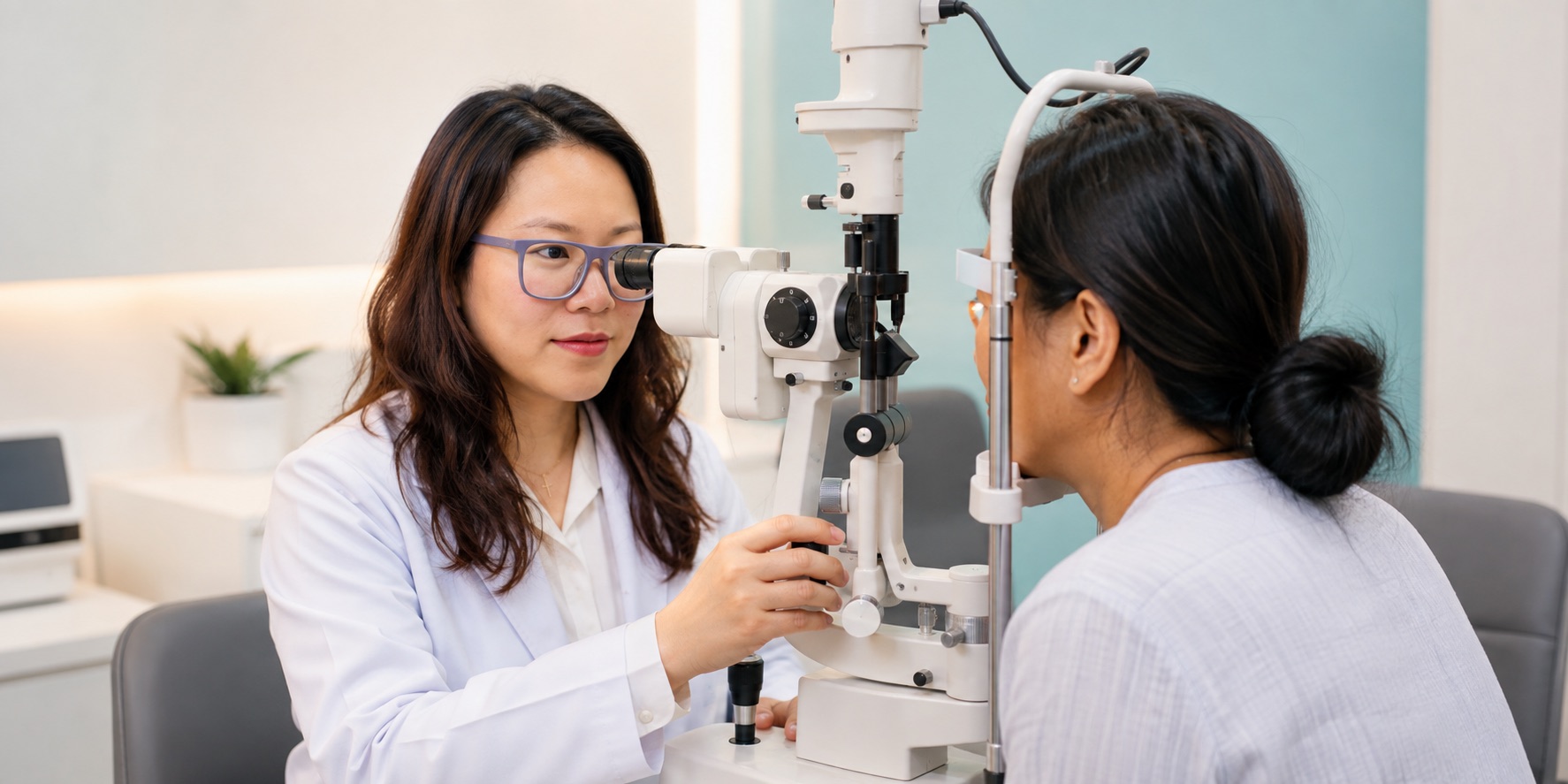
- Slit-lamp examination: a microscope is used to inspect the eyelids, tear film, conjunctiva and cornea.
- Tear break-up time: a harmless dye helps show how quickly the tear film becomes unstable after a blink.
- Ocular-surface staining: special dyes can reveal areas of dryness or surface damage.
- Schirmer testing: a small paper strip may be used to measure tear production when appropriate.
- Eyelid and meibomian-gland assessment: the doctor checks gland openings, secretions, blink quality and eyelid inflammation.
- Vision and eye-pressure checks: these help evaluate other causes of discomfort or blurred vision.
No single test explains every case. The findings and symptoms are considered together so that treatment can target the most likely causes.
Dry eye treatment in Aizawl: what may be recommended?
Treatment is individual. Mild evaporative dryness, significant inflammation, contact-lens-related discomfort and dryness associated with autoimmune disease do not all require the same plan. Your ophthalmologist may recommend one or more of the following approaches.
Lubricating eye drops
Artificial tears can supplement the tear film and relieve mild symptoms. Different products vary in thickness, ingredients and preservatives. Preservative-free options may be considered when drops are needed frequently or the surface is sensitive. “Redness-relief” drops that constrict blood vessels are not the same as lubricating tears and should not be used repeatedly without advice.
Gels and ointments
Thicker gels or ointments stay on the eye longer and may help people whose symptoms are worse at night or on waking. They can temporarily blur vision, so they are often used at bedtime when advised.
Warm compresses and eyelid care
When blocked meibomian glands or blepharitis contribute, a properly performed warm compress and gentle eyelid hygiene may improve the oil layer of tears. Water that is too hot can burn delicate eyelid skin, and aggressive rubbing can worsen irritation. Ask for a demonstration if you are unsure.
Prescription treatment
Moderate or persistent dry eye may require prescription drops or short, carefully monitored treatment for inflammation. These medicines are not instant cures and may need consistent use. Steroid eye drops can cause serious side effects if used without supervision, including raised eye pressure and infection risk; do not buy or continue them on your own.
Punctal plugs and other procedures
If tears drain away too quickly, an ophthalmologist may recommend tiny punctal plugs to help retain moisture. Selected patients may benefit from treatment directed at meibomian glands or an eyelid abnormality. The appropriate procedure depends on examination findings and may not be necessary for most mild cases.
Treating contributing conditions
Managing allergy, eyelid disease, diabetes, thyroid problems or autoimmune disease may be an important part of the plan. Medication changes should be coordinated with the prescribing doctor rather than made independently.
Practical ways to reduce dry eye discomfort
Daily habits cannot replace medical care when disease is significant, but they can support treatment:
- Take regular breaks during screen work and blink fully several times.
- Keep screens slightly below eye level so the eyelids cover more of the eye surface.
- Avoid directing fans or air-conditioner vents toward your face.
- Wear protective wraparound glasses in strong wind, dust or smoke.
- Follow safe contact-lens cleaning and replacement schedules.
- Remove eye makeup thoroughly and keep eyelid margins clean.
- Stay adequately hydrated and maintain regular sleep.
- Use a humidifier if indoor air is persistently dry.
- Do not share eye drops or touch the bottle tip to your eye or eyelashes.
- Use only the type and frequency of drops recommended for you.
The familiar 20-20-20 habit—every 20 minutes, look about 20 feet away for at least 20 seconds—can remind you to pause and blink. It is useful for visual comfort, but it does not diagnose or cure dry eye disease.
When should you see an eye doctor?
Arrange an eye examination when dryness or watering persists, keeps returning, interferes with work or study, makes contact lenses uncomfortable, or causes fluctuating vision. Earlier assessment is particularly important if you have diabetes, thyroid disease, an autoimmune condition, previous eye surgery or regular use of medicines associated with dryness.
Seek urgent eye care for sudden vision loss, severe eye pain, a painful red eye, strong light sensitivity, injury, chemical exposure, a foreign body, new flashes or many floaters, or redness with significant discharge while wearing contact lenses. These features may indicate a condition more urgent than ordinary dry eye.
Frequently asked questions
Can dry eye be permanently cured?
Some temporary causes improve completely, while chronic dry eye often needs ongoing management. Identifying the cause, using treatment consistently and adjusting environmental triggers can control symptoms and protect the ocular surface.
Why do my dry eyes keep watering?
Irritation can trigger reflex tears that are watery and short-lived. They may overflow without providing stable lubrication. Allergy, infection and tear-drainage problems can also cause watering, so persistent symptoms should be examined.
Which eye drop is best for dry eyes?
There is no single best drop for everyone. The choice depends on severity, how often drops are needed, whether evaporation or low tear production is dominant, contact-lens use and the health of the cornea and eyelids. Avoid repeatedly using medicated or redness-relief drops without professional guidance.
Can too much phone use cause dry eyes?
Long, uninterrupted screen use can worsen dryness because blinking becomes less frequent or incomplete. Breaks, full blinking and better screen position can help, but persistent blur or discomfort still requires an eye examination.
Is dry eye dangerous?
Most cases are manageable, but severe untreated dry eye can damage the corneal surface and affect vision. More importantly, symptoms resembling dry eye can sometimes come from infection or inflammation that needs urgent treatment.
Where can I get dry eye treatment in Aizawl, Mizoram?
Dr. Nunu Eye Hospital & Research Centre provides ophthalmic evaluation for patients in Aizawl and across Mizoram. An examination can help distinguish dry eye from allergy, infection, refractive error and other eye conditions before a treatment plan is recommended.
Book a dry eye consultation in Aizawl
If burning, grittiness, watering or fluctuating vision is affecting your day, consider a comprehensive eye examination with Dr. Lynapawngia Solo at Dr. Nunu Eye Hospital & Research Centre. Bring a list of your medicines, current eye drops, medical conditions and contact-lens details so the assessment can be as complete as possible.
Request an appointment for dry eye evaluation in Aizawl, or explore our guide to signs that you may need a comprehensive eye examination.
This article is for general education and does not replace diagnosis or treatment by a qualified ophthalmologist. Treatment recommendations must be based on an individual eye examination.
Clinical reference: National Eye Institute: Dry Eye.